 Credit: Inside The Magic
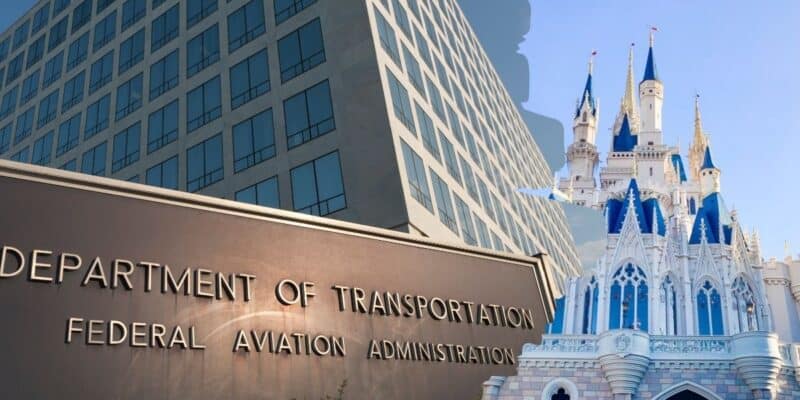
The Federal Aviation Administration (FAA) has issued a significant update regarding all Disney World and Universal Orlando Resort vacations for 2026.

Orlando Airport Turmoil Leaves Travelers on Edge—But a Bigger Question Looms for 2026 Vacations
It started with a familiar sight that no traveler wants to see: a wall of red across departure boards, each delay and cancellation piling up like dominoes. Over the past several days, thousands of passengers stepping off Magical Express alternatives or ride-shares toward Orlando International Airport (MCO) walked straight into a tense, uncertain scene.
Families heading home from Walt Disney World Resort clutched souvenirs while scanning for updates. Universal Orlando Resort visitors stared at their phones, wondering if they’d make it back to work on time. With so many vacationers suddenly at the mercy of shifting federal decisions, one lingering question rose to the surface: What does this chaos mean for the future of Orlando tourism—especially heading into 2026?
A Shutdown Ripple Effect Few Expected
The turbulence didn’t originate in Orlando. It grew out of the now-ended federal government shutdown—one that stretched to 43 days before President Donald Trump signed legislation to reopen operations. While many expected national parks, agencies, and federal offices to feel the pain, fewer understood just how quickly the aviation system could be pushed to its limits.
Staffing shortages at air traffic control centers across the country forced the Federal Aviation Administration to issue an emergency order reducing flights by 10% at the 40 busiest airports in the United States. Orlando International—one of the nation’s most critical tourism hubs—felt the impact immediately.
As federal officials explained, the decision wasn’t about convenience but safety. With fewer qualified controllers available, reducing traffic was the only responsible move.
The result? A domino effect of thousands of delays and hundreds of cancellations, rippling through airline schedules, hotel checkout times, and family vacation budgets.

Orlando Slowly Returns to Normal… For Now
After weeks of mounting tension, the tide finally turned. The FAA announced that staffing levels had “stabilized” following the government’s reopening, making it safe to lift the emergency order and restore normal operations. By Monday morning, MCO reported only four delays and zero cancellations—a dramatic improvement that allowed travelers to finally breathe a sigh of relief.
Airport operations resumed at full capacity, and the atmosphere inside the terminals shifted from anxious to cautiously optimistic. Cast Members and Team Members heading to or from their shifts could once again depend on the airport’s usual rhythm. Guests with upcoming vacations felt reassured that the worst appeared to be behind them.
But beneath that relief sits an undercurrent that matters far more than many realize.
What This Means for 2026 Disney and Universal Vacations
Theme park tourism in Central Florida is built on predictability—steady flights, consistent schedules, and a reliably functioning federal aviation system. The sudden disruption exposed how fragile that foundation can be.
While the FAA’s current announcement focuses on the immediate restoration of service, the larger takeaway is this: any government shutdown, staffing disruption, or national crisis has the power to affect Orlando vacations well beyond a single weekend of delays.
For travelers planning major trips in 2026, this incident serves as a reminder that flight operations can shift dramatically in response to federal conditions. Disney and Universal guests depend on MCO more than any other airport in the world, and even a temporary reduction in air traffic can influence everything from arrival times to hotel costs to park reservation strategies.
In other words, this wasn’t just a transportation hiccup—it was a preview of how vulnerable major tourism destinations remain when national infrastructure falters.
A Wake-Up Call for Travelers and the Industry
The FAA’s quick restoration of service shows that the aviation system is capable of bouncing back. But the temporary 10% reduction at top airports also revealed how much strain the industry is still under, especially when staffing levels are stretched.
Airlines, airports, and theme parks alike are paying close attention. As Central Florida pushes forward with massive 2026 expansions—new attractions, new hotels, and a swelling calendar of festivals—transportation stability will be more important than ever.
For guests, the message is clear: plan with flexibility. Consider travel insurance that covers government-related delays. And keep an eye on federal aviation updates, especially in years when political gridlock may return to the forefront.
The emergency order may be gone, but the conversation it sparked about the future of Orlando travel is only beginning.